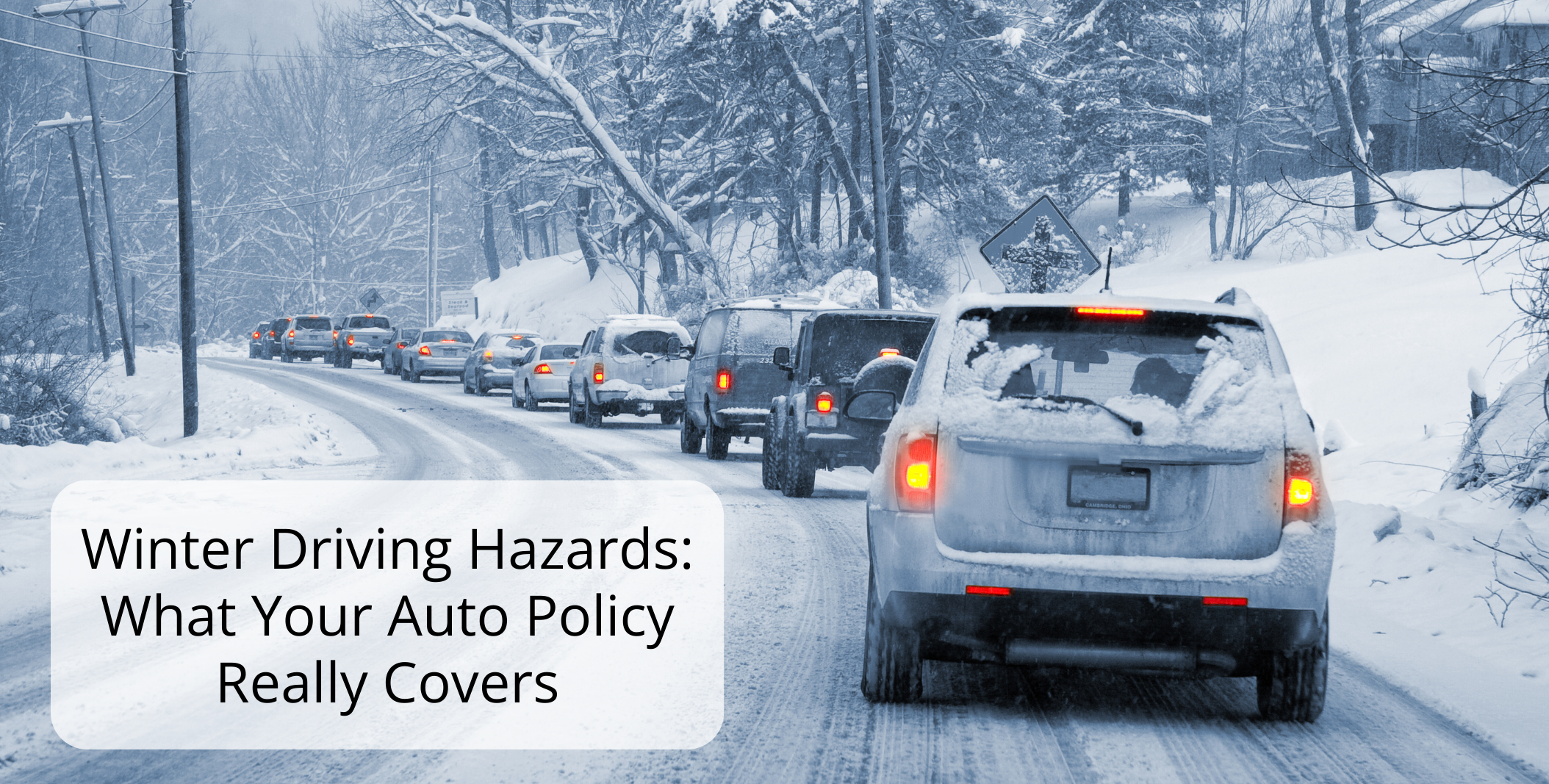
Winter weather can introduce a variety of driving challenges, from icy roads to reduced visibility. Understanding how auto insurance generally responds to winter-related incidents can help drivers set realistic expectations before conditions worsen.
While coverage varies by policy and insurer, reviewing common winter driving scenarios can provide helpful context.
Common Winter Driving Risks
Cold weather often brings hazards that increase the likelihood of accidents or vehicle damage. Some of the most common winter-related risks include:
- Slippery roads caused by snow, ice, or freezing rain
- Reduced visibility due to snowfall or fog
- Longer stopping distances
- Battery failure or mechanical issues related to cold temperatures
Insurance does not prevent these conditions, but certain coverages may apply when damage occurs.
Collision Coverage and Winter Accidents
Collision coverage generally applies when a vehicle is damaged after striking another vehicle or object, regardless of weather conditions. This may include accidents involving:
- Skidding into another car
- Sliding into a guardrail or sign
- Losing control on icy roads
Collision coverage is typically subject to a deductible. It is optional unless required by a lender or lease agreement.
Comprehensive Coverage and Weather-Related Damage
Comprehensive coverage is often associated with non-collision incidents. During winter months, this may include damage caused by:
- Falling tree limbs due to ice or snow
- Wind-driven debris
- Fire resulting from electrical or mechanical issues
- Theft or vandalism
Comprehensive coverage is also subject to policy terms and deductibles.
What Happens If You Slide Off the Road
Sliding off the road without striking another vehicle or object can raise questions about coverage. In many cases, damage to the vehicle may still fall under collision coverage if the vehicle is damaged during the incident.
Towing and roadside assistance, if included or added separately, may help with recovery costs. Availability and limits vary by policy.
Liability Coverage in Winter Accidents
Liability coverage generally applies if a driver is found responsible for injury or property damage to others. Winter conditions do not eliminate responsibility, even when roads are icy.
Liability coverage may help address:
- Damage to another vehicle
- Injuries to other drivers or passengers
- Damage to property such as fences or structures
Coverage limits and legal requirements vary by state.
Rental Cars and Winter Weather
If a vehicle is damaged and requires repairs, rental reimbursement coverage may help with the cost of a temporary replacement vehicle. This coverage is optional and typically has daily and total limits.
Drivers should review:
- Whether rental reimbursement is included
- How long coverage applies
- Any waiting periods
Winter-Related Claims and Deductibles
Both collision and comprehensive coverage usually include deductibles. These amounts apply regardless of the cause of damage, including winter weather.
Understanding deductibles ahead of time can help drivers plan for potential out-of-pocket costs.
Preparing Before Winter Conditions Worsen
Reviewing auto insurance coverage before winter weather arrives can help drivers better understand how their policy functions. Questions to consider include:
- Which coverages are currently in place
- Applicable deductibles
- Optional coverages that may be available
Insurance policies vary, and coverage depends on the specific policy language and circumstances of a loss. A licensed insurance professional can help explain general coverage features and answer questions about available options.
Driving Into Winter With Awareness
Winter driving brings added risk, but understanding how auto insurance typically responds can help reduce uncertainty. While coverage cannot eliminate hazards, knowing what is included can help drivers approach winter conditions more informed.